![[Mode family] – Modern Parenting for Real Families](https://i.pinimg.com/736x/b1/ad/a9/b1ada91da2b05ac5136320957272e736.jpg)
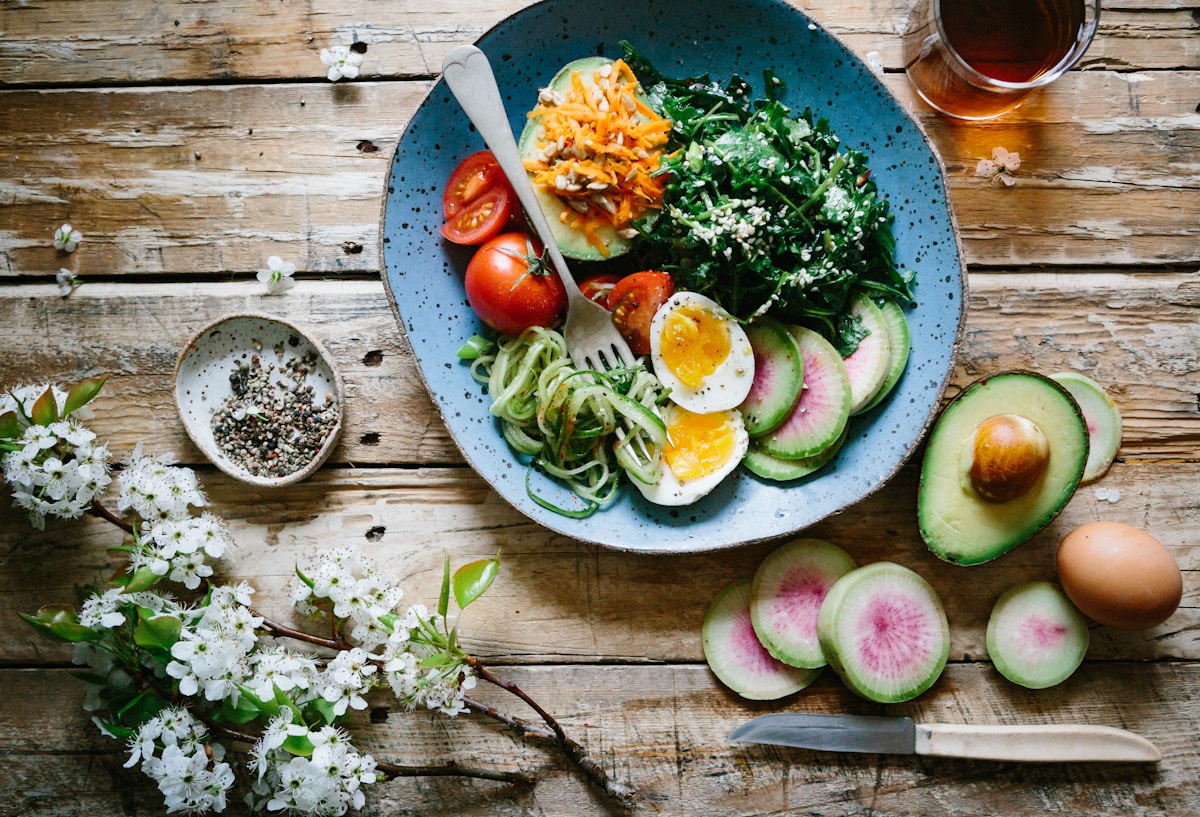
Building healthy habits together creates a foundation for lifelong wellness.
The Complete Family Wellness Guide: Simple Nutrition & Lifestyle Habits for Busy Parents
In today's fast-paced world, families juggle school runs, work deadlines, and endless activities. Between all the chaos, maintaining a healthy lifestyle for the whole family can feel like a daunting task. But what if small, consistent steps—rather than drastic overhauls—were the secret? This guide focuses on realistic, low-stress strategies for building healthy eating habits in children and creating a sustainable healthy lifestyle for parents and kids. Forget perfection; we're here to help you build a happier, healthier home one simple habit at a time.
Why Family Nutrition is Different: Focus on Habits, Not Rules
Nutrition for a family isn't about restrictive dieting. It's about creating a positive food environment where everyone, from toddlers to teens, can thrive. According to the World Health Organization, the habits formed in childhood often track into adult life. This means that the importance of family meal times and the attitudes you model around food are just as crucial as the food on the plate. Instead of focusing on what kids *can't* eat, we shift the focus to all the delicious, nourishing foods they *can* enjoy. This reduces mealtime battles and fosters a healthy relationship with food.
The 80/20 Rule: A Stress-Free Approach to Balanced Meals
One of the most effective strategies for family nutrition is the 80/20 principle. It’s simple: aim to fill 80% of your family's diet with nutrient-dense whole foods, and leave 20% for flexibility and treats.
- The 80% (Everyday Foods): These are your fruits, vegetables, whole grains, lean proteins, and healthy fats. They provide the vitamins, minerals, and energy for growing bodies and busy minds. Think of them as the fuel for your family's engine.
- The 20% (Sometimes Foods): Birthday cake at a party, pizza on a movie night, or a favorite cookie. Including these without guilt teaches children moderation and prevents the "forbidden fruit" effect, where restricted foods become overly desirable.
This balanced approach makes healthy family meal planning feel achievable and removes the pressure to be perfect.
Simple Strategies for Building Healthy Eating Habits in Children
Getting kids on board with healthy eating is often the biggest hurdle. The key is consistency, patience, and a little creativity. Here are proven, low-pressure tactics that work.
1. The "Rainbow Plate" Visual
Children are visual eaters. Challenge them to "eat the rainbow" by including fruits and veggies of different colors on their plate. Explain that red foods (like tomatoes) are good for the heart, and green foods (like broccoli) make you strong. This turns nutrition into a fun game. This simple trick supports immune boosting foods for kids without them even realizing it.
2. Involve Kids in the Kitchen
Research from institutions like Johns Hopkins University shows that when children help prepare food, they are more likely to try it. A young child can wash lettuce or stir a batter, while older kids can help chop veggies or plan a weekly meal. This sense of ownership is a powerful tool against picky eating.
3. Master the Art of the "No-Thank-You Bite"
Encourage kids to take one "no-thank-you bite" of a new food without pressure to eat more. If they don't like it, they can politely decline further. Repeated, neutral exposure (it can take 10-15 times!) is the key to acceptance. Never force a child to clean their plate, as this can disrupt their natural hunger and fullness cues.
Lifestyle Habits Beyond the Plate: Sleep, Water & Movement
A truly healthy family lifestyle extends beyond just food. These three pillars are equally vital.
- Hydration is Key: Even mild dehydration can cause fatigue and headaches in kids. Make water the default drink. Send fun, reusable water bottles to school and add slices of fruit like lemon or berries for natural flavor. This supports easy healthy meals for school kids by ensuring they're hydrated and ready to learn.
- The Nutrition-Sleep Cycle: What we eat affects how we sleep, and vice versa. Heavy, sugary foods close to bedtime can disrupt sleep. Aim for a consistent bedtime routine and avoid screens for at least an hour before bed. A calm, well-rested family makes better food choices.
- Family Movement, Not "Exercise": Frame physical activity as fun family time, not a chore. An after-dinner walk, a weekend bike ride, or a dance party in the living room all count. This reinforces that being active is a normal and enjoyable part of life.
Quick & Practical Tips for Busy Weeknights
We know evenings are chaotic. Here’s how to keep nutrition on track without spending hours in the kitchen.
- Prep Ahead: Wash and chop veggies on the weekend. Cook a batch of quinoa or brown rice to use throughout the week.
- Build a "Bowl" Night: Set out pre-cooked grains, a protein (like grilled chicken or beans), chopped veggies, and a tasty sauce. Let everyone build their own bowl. It's interactive, healthy, and fast.
- Smart Shortcuts: Use pre-washed salad greens, frozen vegetables (which are just as nutritious as fresh), and rotisserie chicken to cut down on prep time without sacrificing quality.
FAQ: Your Top Family Nutrition Questions Answered
Final Thoughts: Progress, Not Perfection
Embarking on a journey toward better family wellness doesn't mean getting everything right all the time. It means making small, consistent choices that add up over weeks and months. Some days will be filled with home-cooked meals and outdoor play; other days will be about surviving on store-bought snacks and takeout. Both are perfectly fine. What matters most is the overall direction you're heading as a family. Celebrate the small wins—a new vegetable tasted, a peaceful family dinner, a fun walk together. These moments are the true foundation of a healthy and happy family life.
What's one small, healthy change you can make with your family this week? Start there and build on it.


