![[Mode family] – Modern Parenting for Real Families](https://i.pinimg.com/736x/b1/ad/a9/b1ada91da2b05ac5136320957272e736.jpg)
Top 10 Fabrics for Kids’ Clothes in Summer and Winter
Choosing the right fabric for your child’s clothing is not just about fashion—it’s a matter of comfort, safety, and skin health. Children’s skin is far more delicate than that of adults, and it deserves gentle, breathable, and chemical-free materials. In this comprehensive guide, we explore the 10 best fabrics for kids’ clothes in both summer and winter. You’ll also discover tips on care, layering, and how to select the right fabric for every occasion.

☀️ Best Fabrics for Kids’ Clothes in Summer
When the temperature rises, the fabric you choose for your child can make a world of difference. You need materials that allow airflow, absorb sweat, and remain soft even after multiple washes. Below are the top five summer fabrics every parent should know about:
For parents who want more detailed guidance on choosing fabrics based on your child's daily activities—from playtime to sleep and special occasions—check out our complementary guide: How to Choose the Best Fabric for Your Child’s Activities. This article provides practical tips to help ensure your child stays comfortable and happy all day long.
1. Cotton – The Ultimate Summer Fabric
Cotton is the undisputed champion of children’s summer clothing. It is light, breathable, and absorbs moisture, helping your child stay cool throughout the day. Organic cotton, in particular, is free from pesticides and harsh dyes, making it ideal for kids with sensitive or eczema-prone skin.
Parents love cotton because it’s easy to wash, quick to dry, and extremely versatile. From T-shirts and shorts to dresses and pajamas, cotton works for almost every summer outfit.
2. Linen – Cool Elegance for Warm Days
Linen is another timeless favorite for hot weather. It’s made from natural flax fibers, offering superb breathability and moisture-wicking properties. Linen allows air to circulate freely, preventing overheating even during long outdoor play sessions. It’s also eco-friendly and stylish, though it wrinkles easily—something to consider for active kids.
3. Rayon – Silky Soft and Light
Rayon is a semi-synthetic fabric derived from natural cellulose fibers. It feels silky, lightweight, and soft against the skin, making it excellent for summer dresses, blouses, and light pants. Its ability to mimic silk while remaining affordable and breathable makes it a great option for children’s summer outfits.
4. Cotton-Lycra Blend – Comfort Meets Flexibility
Sometimes, a bit of stretch is exactly what children need. A cotton-lycra blend offers the softness of cotton with the flexibility of lycra, ensuring your child can move, jump, and play without feeling restricted. It’s ideal for sportswear, leggings, and fitted tops.
5. Jersey Cotton – Everyday Softness
Jersey cotton is a knit fabric that combines elasticity with softness, making it perfect for everyday wear. It doesn’t cling to the skin, absorbs sweat efficiently, and keeps your child cool. This is the go-to fabric for T-shirts, onesies, and summer dresses.
❄️ Best Fabrics for Kids’ Clothes in Winter
Winter fabrics should offer warmth without heaviness. Children need materials that insulate yet remain breathable, ensuring comfort during both outdoor and indoor activities. Here are the top five fabrics to keep your little ones cozy all winter long:
6. Wool – Classic Warmth for Cold Days
Wool has been trusted for generations as the best natural insulator. Its fibers trap body heat while allowing moisture to escape, keeping children warm without overheating. Merino wool, in particular, is luxuriously soft and non-itchy, perfect for sweaters, hats, and scarves for kids with sensitive skin.
Learn how modern technologies for families, including smart devices and artificial intelligence, help parents simplify home life and improve family productivity.
Choose lightweight wool for layering or thicker knits for chilly outdoor wear. Always look for machine-washable wool labeled “superwash” to make laundry day easier.
7. Fleece – Lightweight Warmth
Fleece is a synthetic fabric that offers remarkable warmth without bulk. It’s soft, durable, and dries quickly, making it an ideal choice for everyday winter wear, jackets, and blankets. Since fleece is moisture-wicking, it helps prevent chills by drawing sweat away from the body.
However, remember that fleece can generate static electricity, so pairing it with natural fibers like cotton underneath can provide extra comfort.
8. Brushed Cotton – Cozy and Gentle
Brushed cotton is made by gently scraping the fabric’s surface to raise soft fibers, creating a plush and warm texture. It’s perfect for pajamas, bedsheets, and shirts during the cooler months. Unlike wool, it’s non-irritating and suitable for children with sensitive skin.
9. Cashmere – Luxurious Softness
Cashmere is a high-end winter fabric made from the fine hair of cashmere goats. It’s incredibly soft, lightweight, and warm—ideal for special occasions or premium layering pieces. Though it requires gentle hand washing, cashmere garments can last for years when properly cared for.
10. Polyester Blends – Durable Protection
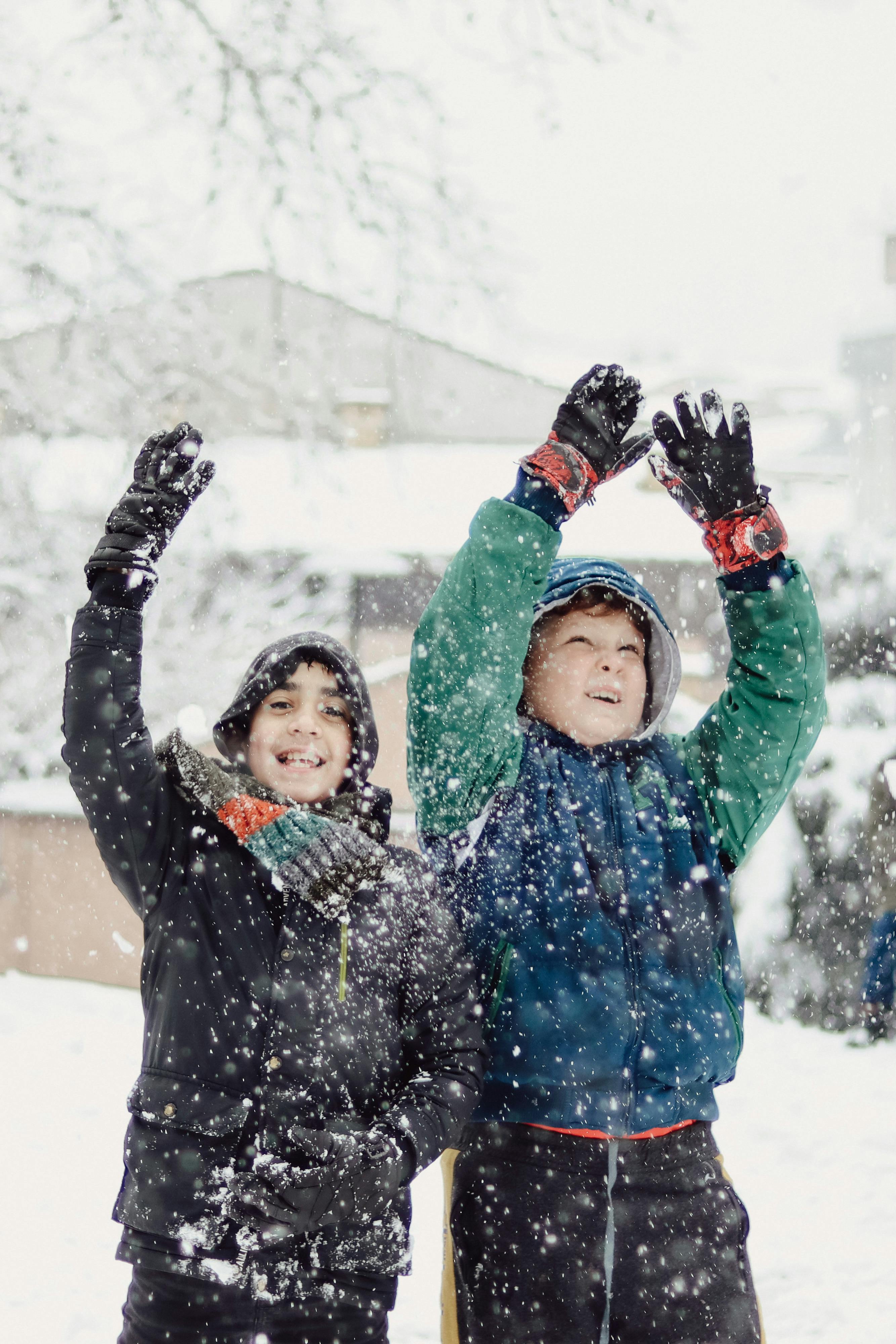
When blended with natural fibers, polyester becomes a powerful winter fabric. It enhances durability, provides water resistance, and adds insulation. Polyester blends are commonly used in coats, outerwear, and snowsuits, offering both warmth and practicality for active kids.
🧺 How to Care for Kids’ Fabrics Properly
High-quality fabrics deserve proper care to maintain their softness and appearance. Follow these professional laundry tips to extend the life of your child’s clothes:
- Use mild, hypoallergenic detergents designed for baby or sensitive skin.
- Wash clothes in cold or lukewarm water to prevent shrinking or fading.
- Always read the care label before washing or ironing.
- Air-dry natural fabrics like cotton, linen, and wool whenever possible.
- Store clothes in a clean, dry area away from direct sunlight and moisture.
🌿 Eco-Friendly and Organic Options
Parents today are increasingly aware of sustainability and the environmental impact of clothing production. Choosing organic cotton, bamboo, or hemp fabrics helps reduce chemical exposure and supports eco-friendly farming practices. These materials are biodegradable, durable, and gentle on the skin—making them perfect for babies and toddlers.
If you’re shopping for eco-conscious children’s wear, look for certifications like GOTS (Global Organic Textile Standard) or OEKO-TEX. These labels ensure that the fabrics are free from harmful dyes, pesticides, and synthetic softeners.
Explore how modern motherhood can balance digital life and ancestral wisdom to raise emotionally healthy children in today’s fast-changing world.
👕 Tips for Choosing the Right Fabric for Every Occasion
- For daily wear: Choose soft, breathable cotton or jersey blends.
- For outdoor play: Go for flexible fabrics like cotton-lycra or polyester blends.
- For bedtime: Pick brushed cotton or bamboo fabrics for a cozy feel.
- For special occasions: Linen in summer or cashmere in winter offers stylish comfort.
💡 Final Thoughts
Your child’s comfort always comes first. Whether it’s a breezy cotton T-shirt in July or a cozy wool sweater in December, the right fabric ensures your little one stays happy and healthy. Invest in quality materials, follow care instructions, and always prioritize comfort over trends. After all, confidence begins with feeling good in what we wear—even for the smallest among us.
Read an in-depth guide on childhood and artificial intelligence, exploring how AI affects children’s learning, safety, creativity, and digital well-being in a rapidly evolving world.
❓ Frequently Asked Questions (FAQ)
1. What is the best fabric for kids with sensitive skin?
Organic cotton and bamboo fabrics are the best choices for children with sensitive or allergy-prone skin. They’re hypoallergenic, soft, and free from harsh dyes or chemicals.
2. Is wool safe for babies and toddlers?
Yes, but always opt for Merino wool since it’s ultra-soft and non-itchy. Avoid heavy or untreated wool fabrics that might irritate delicate skin.
3. Can I use fabric softener on kids’ clothes?
It’s best to avoid strong fabric softeners, as they can leave residues that irritate sensitive skin. Instead, use white vinegar or mild natural alternatives during the rinse cycle.
4. How do I prevent kids’ clothes from shrinking?
Wash in cold water and avoid high heat when drying. Fabrics like cotton and wool are prone to shrinking under hot temperatures, so always follow the care label.
5. Which fabric is best for winter layering?
Merino wool, fleece, and cotton-blend fabrics are perfect for layering. They trap warmth while allowing the body to breathe, preventing overheating during playtime.
Written by the Mode Family editorial team. For more child care and style tips, visit our Fashion & Parenting section.


